· Kilta Mimarlık
A good garden doesn't happen by chance. It's the result of an orderly design process, from reading the land to putting plants in the ground.
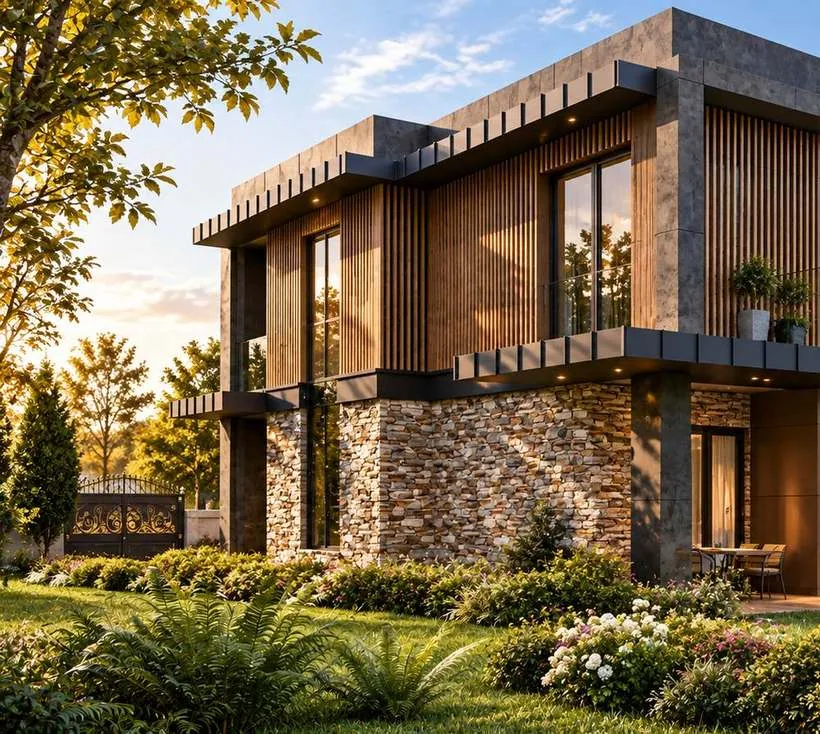
When people think of garden design, they usually think straight of planting. But a landscape project that works starts long before the plants go in, with a careful reading of the land. Here is how a garden project moves from concept to build.
1. Site survey and analysis
Every project starts with a visit to the plot. Slope, drainage, soil, sun direction, prevailing wind and view points are all noted. In Bodrum, especially on sloping plots, if ground movement and stormwater drainage aren't planned properly from the start, both plants and hardscape suffer later. Existing trees, walls and anything worth keeping are identified at this stage too.
2. Concept design and plant palette
After the analysis, the garden's overall character is set: a Mediterranean garden, a more minimal modern landscape, or a garden built with local stone and traditional textures? Based on that, the plant palette is drawn up: which trees, shrubs, ground covers and seasonal plants to use, and where to place which colours and textures. Climate tolerance always comes first when choosing plants.
3. Balancing hardscape and planting
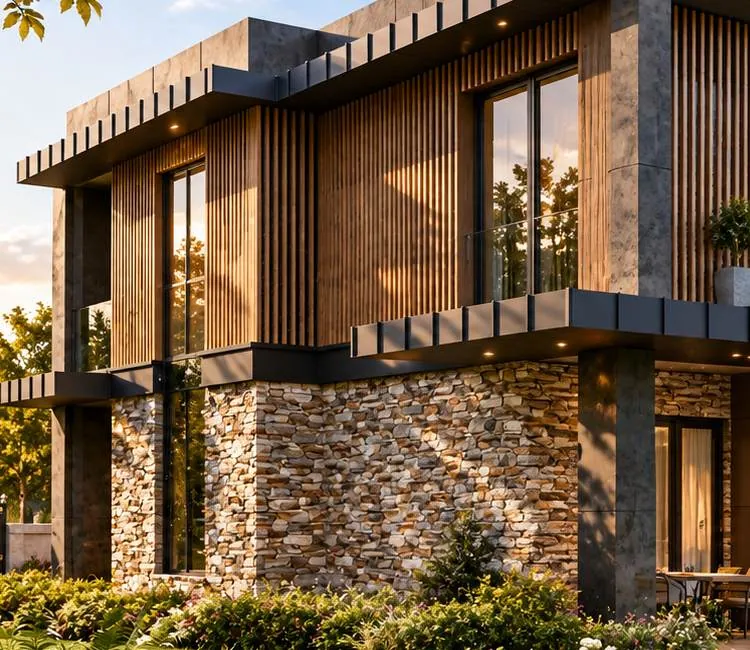
A garden isn't only plants. Paths, stone or timber terraces, seating areas, steps and walls, the hardscape, form its skeleton. A good design balances hard and soft: too much stone makes a garden feel dry and hot, while unplanned planting adds to the maintenance load. Natural stone and timber that suit the local character are usually the materials of choice.
4. Water features and lighting
A pool, a water wall or a small water feature adds both a visual and a sound layer to the garden. Lighting decides how usable the garden is in the evening: low guiding light along paths, accent light on trees and walls, and softer general light in seating areas. This infrastructure, together with the irrigation lines, must go into the ground before planting.
5. Build and planting schedule
Once the design is approved, work begins on site: ground preparation, irrigation and lighting infrastructure, hardscape and, finally, planting. In Bodrum the best times to plant are autumn and early spring, before the heat peaks; plants put in then have longer to root and go into the summer more resilient.
6. First-year care plan
The first year of a new garden is a critical settling-in period. Regular watering, feeding and pruning where needed, and spotting and replacing weak plants early all matter. A garden that gets through its first year healthy can sustain itself with far less care in the years after.
At Kilta we handle garden projects from survey to build, from hardscape to planting. See our landscape design services and our irrigation guide.
Frequently asked questions
Where does a garden design project start?
With a site visit: slope, drainage, soil, sun direction, prevailing wind, views and any trees or walls worth keeping are recorded. Plant choices come after this analysis.
Should paving or planting be planned first?
Paths, terraces, lighting and irrigation should be settled before anything is planted. Changes made later damage the roots.
When is the best time to plant in Bodrum?
Autumn and early spring, before the heat builds. Plants put in then have longer to root and go into summer stronger.
What matters most in a new garden’s first year?
Regular watering, feeding and pruning where needed, and spotting and replacing weak plants early. A garden that gets through its first year well needs far less care afterwards.
This article is for general information. Contact Kilta to plan the landscape for your own plot.