· Kilta Mimarlık
The right materials and the right light turn a space from something that looks good in photos into somewhere comfortable to live every day.
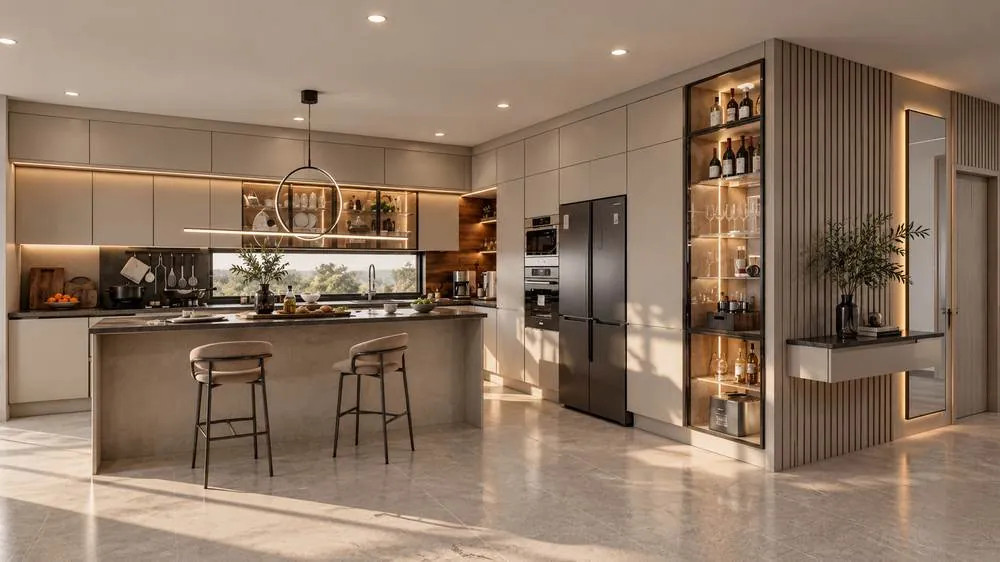
In interior design, colour and furniture usually take the spotlight, but what really decides how a space feels in the long run is its materials and lighting. In a humid, hot, sunny climate like Bodrum's, these choices matter especially for both looks and durability.
1. The right materials for Bodrum's climate
In villas near the sea, humidity, salt and the temperature swing between summer and winter all affect materials directly. Breathable materials such as natural stone and timber handle moisture better than synthetic, fully sealed surfaces. Local stone and timber also give the villa an organic link to Bodrum's architectural character.
2. Floors: natural stone, microcement, timber
Natural stone floors (travertine, marble, limestone) feel cool and are comfortable in summer; they are often chosen for terraces and ground-floor spaces. Microcement is used more and more in projects that want a seamless, minimal, modern look, and it is relatively easy to maintain. Timber floors add warmth to bedrooms and living areas, but in damp areas (bathrooms, terraces open to the outside) properly treated species suitable for outdoor use must be chosen.
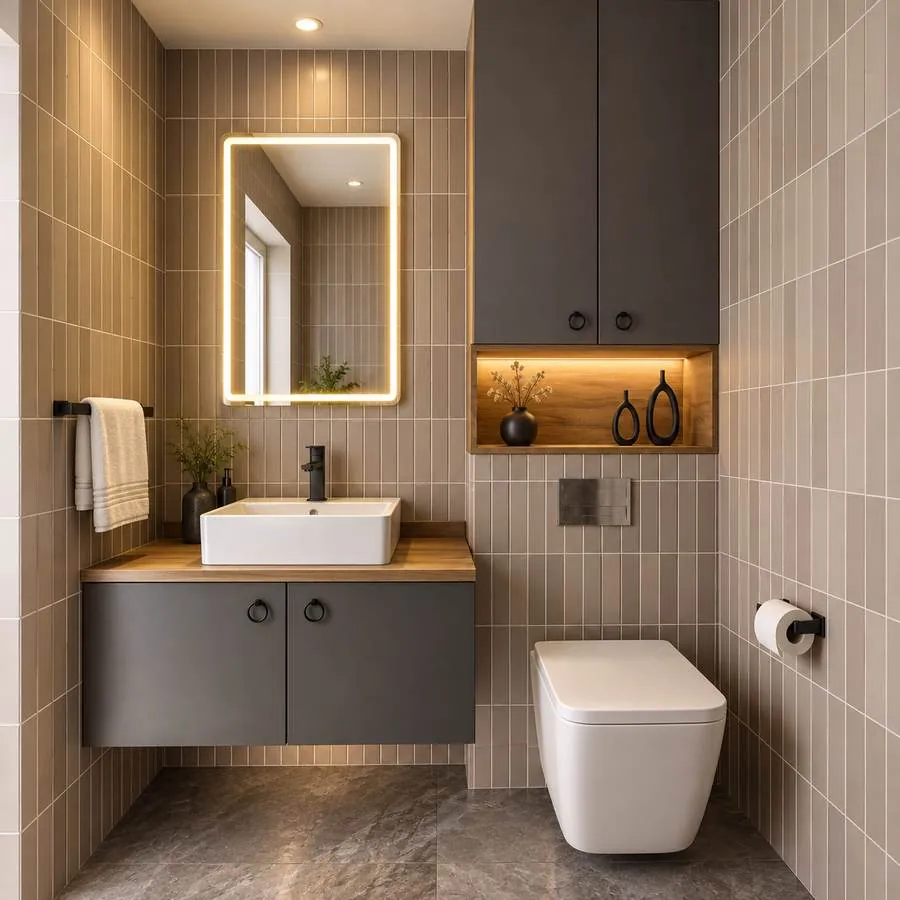
3. Durable materials in kitchens and bathrooms
For kitchen worktops, stain- and scratch-resistant surfaces such as granite, quartz or engineered stone are preferred. In bathrooms, waterproofing comes first: if natural stone is used it must be properly sealed, and floors and showers need a non-slip finish. These details keep both the look and the function intact years after the space is finished.
4. Layers of light: general, task, accent
Good interior lighting isn't a single ceiling light; it combines three layers. General lighting sets the basic light level; task lighting focuses light on places like the kitchen worktop, bathroom mirror or desk; accent lighting picks out a work of art, a textured wall or an architectural detail. Together they create a flexible space that adapts to different moments of the day: daytime, evening, a dinner with guests.
5. Colour palette and texture
Material and lighting decisions should be made together with the colour palette. Because Bodrum's natural light is so strong, interiors usually favour earth tones, cream, stone grey and warm neutrals; these suit the outdoors and don't tire the eye in bright sunlight. Contrast between textures, such as smooth microcement against a textured linen, adds depth.
6. Sustainable and local materials
Stone from local quarries and regional woodwork reduce transport costs and give the villa a character more in tune with its setting. Energy-efficient lighting (LEDs, sensor systems) lowers running costs over time.
At Kilta we treat materials, lighting and architectural decisions as one in our interior design work. See our interior design services.
Frequently asked questions
Which flooring suits a Bodrum villa?
Natural stone (travertine, marble, limestone) keeps rooms cool; microcement is seamless and easy to maintain; timber warms bedrooms and living rooms but needs the right species and treatment in damp areas.
Which materials hold up in kitchens and bathrooms?
Granite, quartz or engineered stone for worktops. In bathrooms waterproofing comes first: seal natural stone and choose a non-slip finish for floors.
How should interior lighting be planned?
In three layers: general lighting, task lighting at worktops and mirrors, and accent lighting for texture or artwork.
Which colours work in Bodrum villas?
With strong natural light, earth tones, cream, stone grey and warm neutrals. They connect with the outdoors and are easy on the eye in bright sun.
This article is for general information. Contact Kilta to plan materials and lighting for your own project.